
Canada’s vast and diverse rural landscape offers a unique set of opportunities and challenges for development. As the nation continues to grow, there’s an increased focus on developing rural areas to support economic growth, improve living standards, and promote sustainability. One of the most efficient solutions to facilitate this development is through the strategic use of steel buildings, leveraging the strengths of modern construction techniques.
The Role of Steel Buildings in Rural Development
Steel buildings have become a cornerstone in the architectural landscape of rural Canada. They are known for their durability, cost-efficiency, and versatility. Whether it’s for agricultural storage, industrial use, or community centers, steel structures provide a robust solution that meets diverse needs.
Cost-Effective and Sustainable Solutions
Rural areas often have limited access to resources, which makes cost-effective solutions imperative. Steel buildings can be manufactured and erected quickly, reducing labor costs and construction time. Additionally, steel is a recyclable material, promoting sustainability which is a key factor in rural development strategies.
In terms of long-term value, metal buildings require minimal maintenance compared to traditional wood or brick structures. This enhances their appeal to budget-conscious rural communities wishing to reduce ongoing operational costs while maintaining a high-quality infrastructure.
Versatility in Design and Function
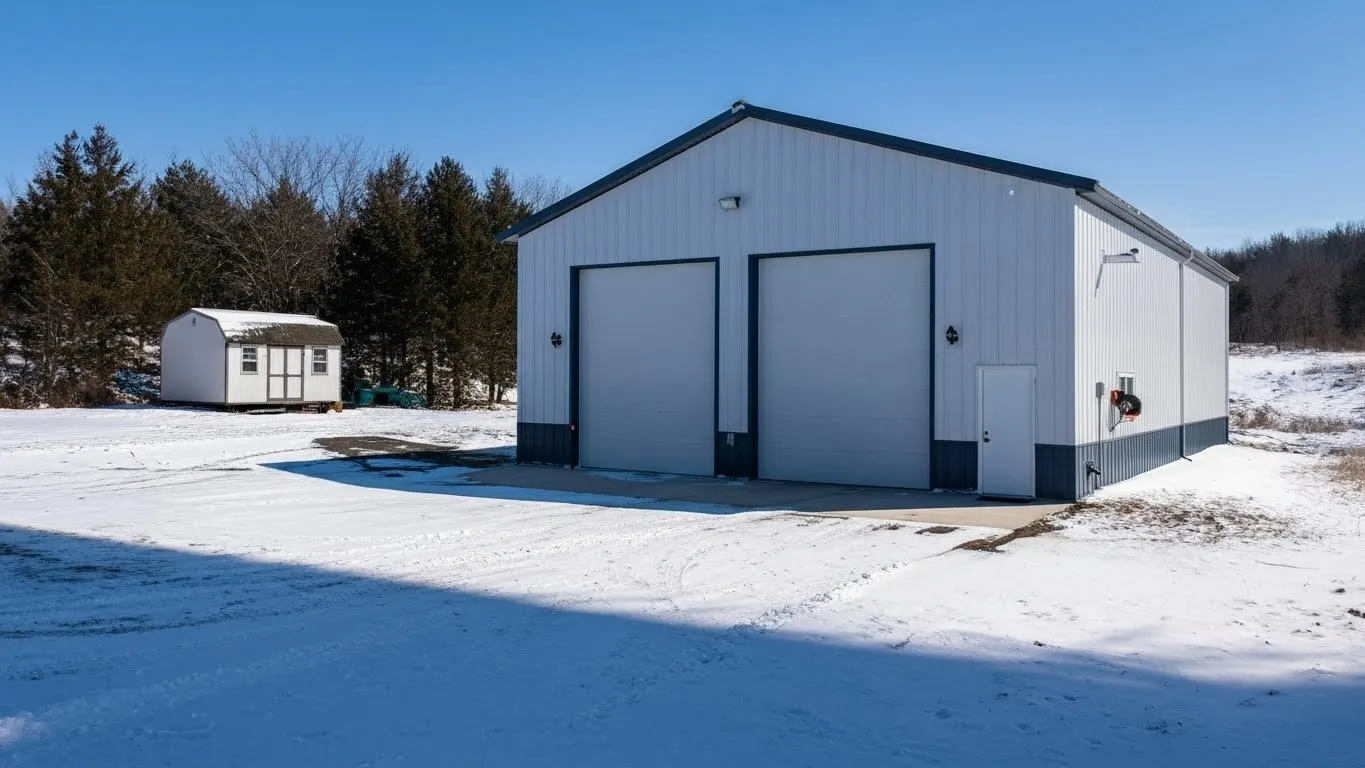
Another significant advantage of steel buildings is their versatility. The 30x60x14 ft Steel Building Kit is an exemplary model that showcases the adaptability of steel structures. From barns to warehouses, and riding arenas to community halls, this flexibility allows communities to optimize the use of space according to their specific requirements.
Implementing Effective Building Strategies
Developing a successful building strategy for rural areas involves several key components: understanding the community needs, leveraging the right tools and technologies, and partnering with experienced professionals.
Assessing Community Needs
Before any construction begins, it’s crucial to conduct a detailed assessment of community needs. This involves engaging with local residents, businesses, and government bodies to understand their priorities and challenges. Such community engagement ensures that the projects align with the local economic and social goals, fostering community support and enthusiasm.
Leveraging Modern Construction Technologies
Adopting modern construction technologies is critical in maximizing the efficiency of rural development projects. Prefabricated steel buildings embody the essence of modernity by offering streamlined production and erection processes. These technologies significantly cut down the noise and disruption often associated with traditional construction methods, a key factor in rural areas where preserving tranquility is often a concern.
Partnerships with Experienced Professionals
Equally important is the collaboration with professionals who have a deep understanding of steel building construction. Engaging reputable metal structure erectors Canada ensures the delivery of high-quality projects that adhere to safety regulations and industry standards. These experts bring valuable insights into local conditions, zoning laws, and environmental considerations that can affect the project’s success.
Adapting to Climate Challenges
Canada’s rural communities face a range of climate challenges, from harsh winters to unpredictable weather patterns. Steel buildings are well suited to withstand these conditions due to their superior strength and resistance to extreme weather. Strategically incorporating climate resilience into building design further enhances the longevity and functionality of the structures, ensuring they remain reliable under adverse conditions.
The Economic Impact of Steel Buildings in Rural Areas
The economic implications of utilizing steel buildings extend beyond immediate cost savings. These structures contribute to economic growth by creating jobs during the design and construction phases and through their subsequent applications in various industries.
Stimulating Local Economy
During the construction phase of steel buildings, there is often a significant demand for local labor and materials, injecting energy into the local economy. Furthermore, the completed structures often serve as a backbone for various economic activities such as farming, retail, or manufacturing, supporting sustained economic growth.
Supporting Agricultural Development
Agriculture remains a central pillar of Canada’s rural economy. Steel buildings provide the optimal environment for agricultural operations, from storing equipment and grains to housing livestock. This adaptability allows farmers to maximize their productivity and efficiency, contributing significantly to rural economic health.
Conclusion
In conclusion, steel buildings play an instrumental role in the rural development landscape of Canada. With their cost-effectiveness, sustainability, and versatility, they are well-positioned to meet the evolving needs of rural communities. By embracing strategic building strategies that incorporate these structures, rural areas can achieve significant economic growth and improved quality of life.
By partnering with metal structure erectors Canada and utilizing innovative solutions like the 30x60x14 ft Steel Building Kit, rural communities can create resilient and vibrant environments that benefit current and future generations.
As Canada looks forward, the development of rural areas supported by steel buildings stands as a beacon of progress, sustainability, and prosperity.