
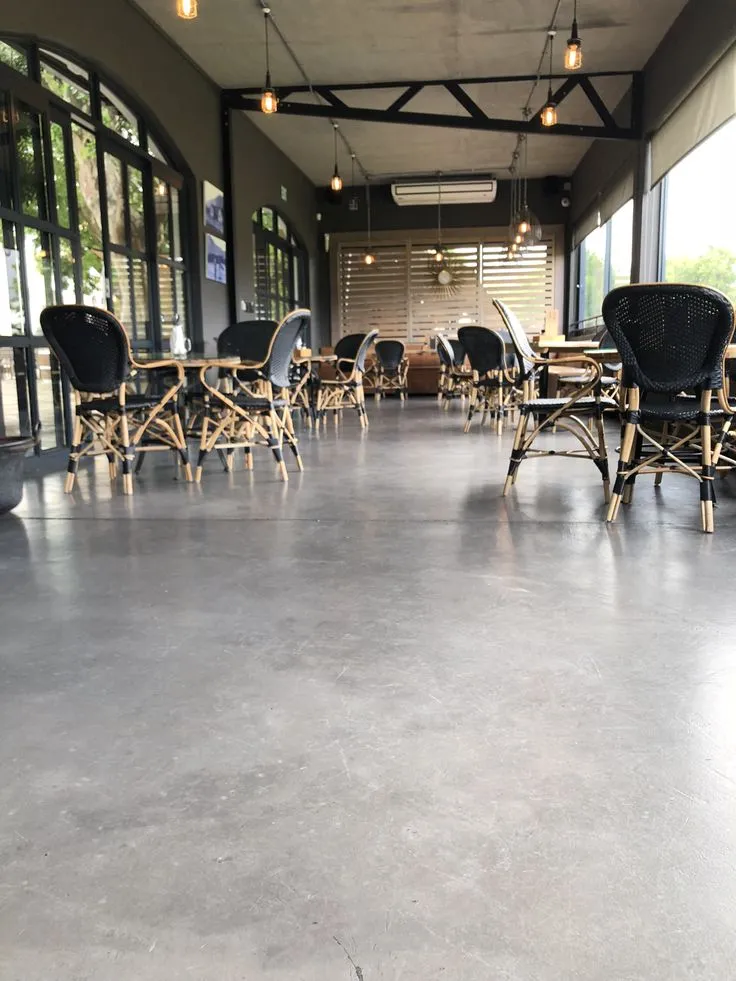
Community centers, galleries, training facilities, and public reception areas serve people with different needs throughout the day. Some visitors attend scheduled activities, while others arrive briefly for information or services. These buildings require flooring that supports easy movement, practical cleaning, and a welcoming atmosphere. Property managers researching polished concrete contractors may be considering ways to improve an existing slab without installing another traditional floor covering. However, the decision should extend beyond appearance. Accessibility, acoustic comfort, furniture arrangements, and maintenance expectations can influence whether polished concrete suits the intended environment.
Begin With the Visitor Experience
A successful public interior should be easy to navigate. Visitors need clear routes between entrances, reception desks, seating areas, and activity rooms without encountering confusing floor transitions.
Observe how the building functions during busy periods. Queueing areas, frequently used corridors, and entrances may experience concentrated traffic. Understanding these patterns helps property managers identify where flooring performance matters most.
Consider Flexible Room Arrangements
Multipurpose facilities often change their layouts for meetings, exhibitions, classes, and community events. Tables and chairs may be moved frequently, creating demands that differ from those in permanently furnished offices.
A consistent concrete finish can support flexible arrangements without requiring different materials in every section. However, furniture feet, rolling equipment, and heavy fixtures should be considered when planning protection against scratching or concentrated loads.
Understand the Polishing Process
Mechanical polishing refines suitable concrete through progressively finer diamond abrasives. Contractors may also use densifiers and appropriate stain protection to improve the finished surface.
The achievable appearance depends on the slab’s hardness, existing repairs, aggregate distribution, and previous treatments. Dark patches or visible repair areas may remain after polishing, so property managers should request realistic samples before approving a particular design.
Compare Professional Approaches
Not all companies that polish concrete floors use identical preparation methods or equipment. The condition of the slab and the requested finish influence the number of grinding and polishing stages.
Ask contractors how they assess cracking, previous coatings, and surface contamination. A detailed proposal should explain the planned preparation, expected appearance, protective treatments, and maintenance requirements. These details offer a stronger basis for comparison than price alone.
Plan for Accessibility and Safety
Public buildings must accommodate visitors with different mobility needs. Flooring should support safe movement for people using wheelchairs, walkers, strollers, and other mobility equipment.
Consider surface traction near entrances where rainwater may be tracked indoors. Smooth finishes should be evaluated against applicable safety and accessibility requirements. Mats, cleaning procedures, and suitable floor transitions can also help manage everyday risks.
Think About Noise and Comfort
Hard flooring can reflect sound, particularly in large rooms with high ceilings and limited soft furnishings. During busy events, conversations and moving chairs may create unwanted noise.
Acoustic treatment can help manage the environment without covering the entire floor. Ceiling panels, wall treatments, and suitable furniture arrangements may improve comfort. These decisions work best when flooring and interior design are planned together.
Ask Questions Before Renovation
Facility managers should evaluate the proposed work before committing to installation. A useful discussion can cover:
- Whether the existing slab is suitable for polishing.
- How visible repairs and cracks will be handled.
- Which gloss level suits the building’s lighting.
- Whether traction requirements have been assessed.
- How dust, noise, and access restrictions will be managed.
- What cleaning methods are recommended afterward.
Clear answers make it easier to coordinate contractors and communicate renovation plans to building users.
Coordinate Work With Building Activities
Community facilities may operate on fixed schedules, making extended closures inconvenient. Polishing involves grinding equipment, dust extraction, and work areas that must be kept separate from visitors.
Discuss installation phases, access routes, and operating restrictions before work begins. Moving furniture and scheduling noisy tasks during quieter periods may reduce inconvenience. Contractors should explain when the finished surface can return to normal use.
Build Maintenance Into Everyday Operations
A polished concrete floor can be relatively straightforward to clean, but regular care remains necessary. Abrasive grit should be removed, especially near entrances receiving heavy traffic.
Cleaning products must suit the finished surface and any protective treatments. Staff should document visible damage, persistent stains, or changes in traction. Routine inspections help identify maintenance needs before problems become more disruptive.
Conclusion
Flooring in public-facing buildings should support accessibility, flexibility, maintenance, and visitor comfort rather than serve as decoration alone. Polished concrete can be an option when the existing slab is suitable and the finish is matched to building requirements. Property managers should evaluate lighting, acoustics, traction, and installation scheduling before choosing a system. For organizations researching concrete polishing services across Atlanta and surrounding Georgia communities, khaysservices.com provides information about available finishing methods. Coordinated planning can help create interiors that remain welcoming and practical for different visitors and activities.