
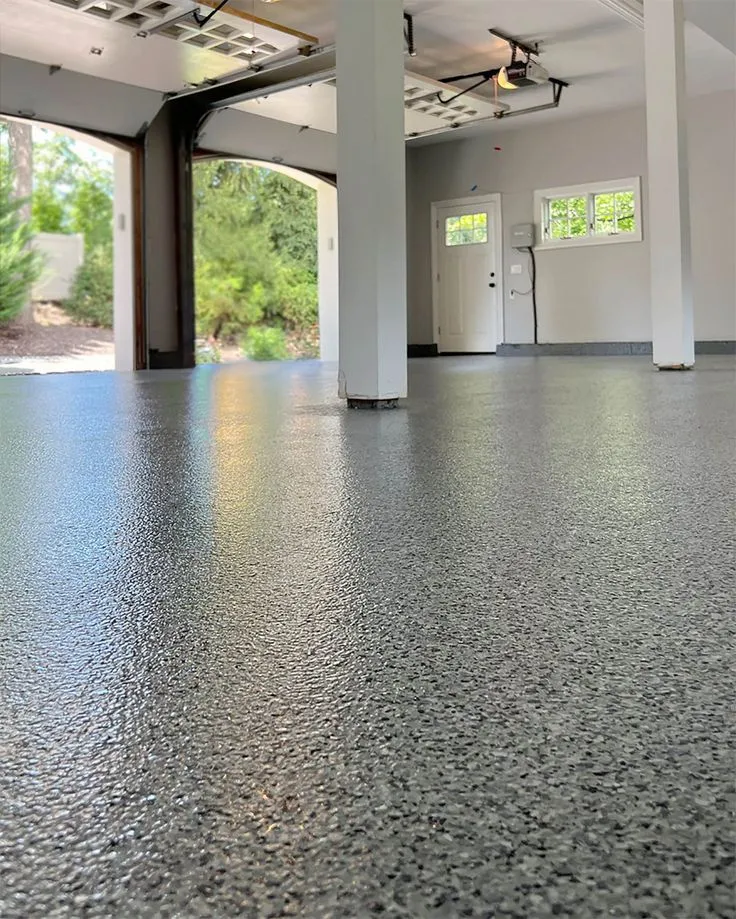
Homeowners planning a garage renovation often face an unexpected challenge: finding enough time to complete the project without disrupting everyday routines. Vehicles need alternative parking, stored equipment may require temporary relocation and the concrete surface must remain undisturbed during installation.
These practical concerns have increased interest in faster-curing flooring systems. A professionally applied polyaspartic floor coating can provide durable surface protection while potentially reducing installation downtime. Understanding the materials, application process and curing requirements helps homeowners plan an efficient garage upgrade without sacrificing quality.
Why Installation Time Matters
Garages are frequently connected to essential household activities. Beyond parking vehicles, they provide access to storage, laundry equipment, tools and household supplies. A flooring project can temporarily interrupt these routines. Homeowners may need to move belongings, arrange outdoor parking and limit access while the installed materials cure.
Traditional coating systems can require multiple application stages and extended curing periods. Certain polyaspartic systems offer faster return-to-service schedules when installed under suitable conditions. However, installation speed depends on the product, concrete preparation requirements, temperature and moisture conditions. A one-day application should never be confused with permission to immediately resume vehicle traffic.
Understanding Polyaspartic Coating Technology
Polyaspartic coatings are resin-based materials used to create protective surfaces over properly prepared concrete. They are valued for their durability, abrasion resistance, and relatively fast curing characteristics. Many systems also offer good color stability when exposed to ultraviolet light, making them useful in garages where sunlight reaches the floor through open doors.
Decorative flakes can be incorporated to create an attractive finish with visual texture. A compatible clear topcoat protects the decorative layer and provides the desired surface characteristics. The performance of the finished floor depends on the complete installation system rather than the topcoat alone.
Preparing Concrete for Lasting Adhesion
Before any coating is installed, the existing concrete must be evaluated. Dirt, old paint, grease, and unsuitable sealers can prevent proper bonding. Professional preparation generally involves mechanically grinding the surface to remove contaminants and establish an appropriate texture. Cracks and damaged areas may require repairs before the coating is applied.
Moisture conditions also deserve attention, particularly where the garage slab has a history of dampness or previous coating failure. Skipping these steps to save time can compromise the entire installation. Fast-curing materials still require proper preparation and adherence to manufacturer instructions.
Important Decisions Before Starting Work
Homeowners should consider several practical questions before scheduling a flooring project:
- Daily access: Determine where vehicles and frequently used belongings will be kept during installation.
- Surface condition: Identify cracks, previous coatings, and possible moisture concerns.
- Finish selection: Compare decorative flake blends, colors, and texture options.
- Slip resistance: Discuss suitable traction additives for areas exposed to water.
- Curing schedule: Confirm when walking, storage, and vehicle use can safely resume.
Making these decisions in advance can prevent misunderstandings and help the project proceed efficiently.
Choosing the Right Installation Team
Experienced epoxy garage floor installers may offer systems that combine an epoxy base coat with a polyaspartic topcoat. Understanding how these materials work together is important when comparing different proposals. Epoxy can provide a strong bonding layer, while a compatible polyaspartic topcoat may offer additional abrasion resistance and ultraviolet stability. However, not every system uses the same combination or installation sequence.
Homeowners should ask which products will be applied, how the concrete will be prepared, and what conditions could affect the application schedule. Professional estimates should also clarify repair requirements and any warranty limitations. These details provide a better basis for comparison than price alone.
Matching Garage Appearance With Daily Activities
A garage used primarily for parking may benefit from a decorative flake finish that complements the home’s exterior. A workshop may require a more practical surface texture suited to frequent movement and occasional spills. Color selection can influence how noticeable dust, tire marks and everyday debris become. Medium-tone decorative blends often provide a balanced appearance without requiring a perfectly spotless surface.
Lighting should also be considered. Glossy finishes can reflect overhead fixtures, while textured surfaces may provide a different visual effect. The right combination of color and texture helps create a garage that feels intentional rather than unfinished.
Keeping the Finished Surface in Good Condition
Once the coating has fully cured, routine maintenance helps preserve its appearance. Sweeping removes abrasive particles that could gradually wear the finish. Most everyday spills should be cleaned promptly using products recommended for the particular coating system. Harsh solvents and abrasive cleaning tools should be avoided unless approved by the manufacturer.
Heavy objects should be moved carefully rather than dragged across the floor. Protective pads beneath certain equipment may also help prevent unnecessary scratching. Regular inspections make it easier to identify localized damage before more extensive repairs become necessary.
Conclusion
A successful garage renovation requires more than selecting an attractive surface. Installation scheduling, concrete preparation, material compatibility, and ongoing care all influence the finished result. Modern coating systems can provide a practical balance of durability, appearance and reduced disruption when correctly specified and installed. Homeowners considering professional garage floor improvements in the Atlanta area can explore the coating systems and installation services available through khaysservices.com before making their final decision.